Questions About Growing Peas?
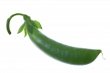
Growing peas every spring is a must for lots of backyard vegetable gardeners. Peas don't take much effort to grow and the rewards are more than worth it. They are easy to plant, maintain and harvest. They are also delicious in many different recipes. Extra peas can easily be frozen for several months. They can also be dried and used later in soups and stews.
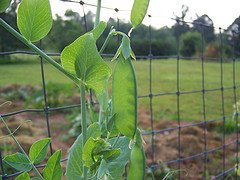
Peas are an early season crop and do well in cooler temperatures. In fact, they tolerate a light frost very well, so planting times can be flexible. Many folks plant peas early in the year so that they are grown, harvested and out of the way when it comes to time to plant other warmer-weather vegetables. Growing peas early in the year is a great way to maximize production in your garden, especially if you don't have much space.
There are three main categories of green peas:
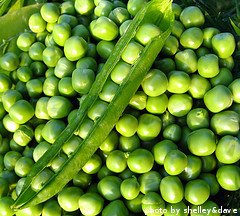
- Garden peas - sometimes called English peas or shell peas, these peas are removed from the pods before cooking as the pod is not edible, peas are about the size of a pencil eraser
- Snow Peas and Sugar Peas - these peas are usually eaten whole - pod and all, they are traditional ingredients in stir-fry and other Asian dishes, the pods are generally almost flat and the peas inside are very small, they can also be eaten raw
- Snap Peas - these peas also have an edible pod but are larger and more round than snow peas, the peas inside are larger than snow peas, they can be eaten raw or cooked
Peas don't take up much room in the garden. They require 6-8 hours of sunlight per day and are usually supported by a fence or trellis, but just about any support structure will do. Some people just poke sticks in the ground for support. Others string some twine between two stakes or fence posts. Most peas are ready to be harvested 45-80 days after planting, depending on the variety. Peas can also be grown in a container, as long as some form of support structure is in place.
Pea plants are prolific producers and the more you harvest the more they will produce. Generally, hot weather will stop production for good in early summer.
Click on the following links for more detailed information about growing peas.
Click here to learn about planting peas
Click here for information about fertilizing and watering peas
Click here to learn about harvesting peas
Click here to learn about different varieties of peas
Click here for some of our favorite pea recipes
Click to learn about saving pea seeds
Click here to move from our Growing Peas main page to our Home page